

 Back to Blogs
Can Water Cause Siding Damage in Your Home?
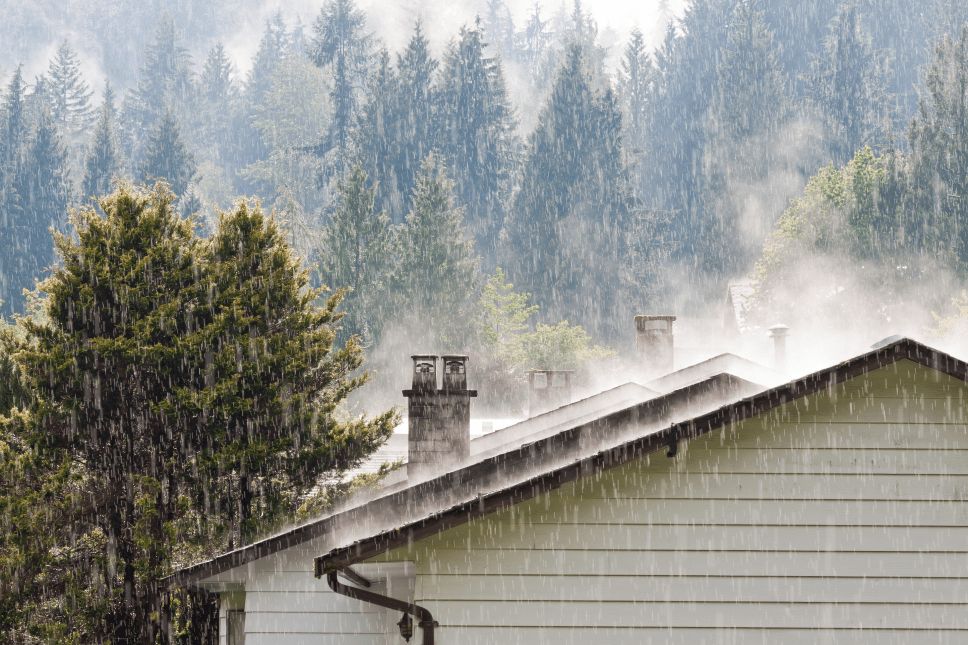
Your home’s siding is a sturdy shield against wind, rain, and other elements – unless water gets behind it, that is. A little leak can turn into a totally warped siding panel, wide water stains, or even mold growth. Put another way, siding water damage is no joke (and no fun to deal with).
Knowing the signs of water behind your siding is key to catching it early, which can save you time, money, and more than a bit of sanity. Here’s what we recommend you keep an eye out for and how we recommend you fix damaged siding with the help of our capable experts.
Is vinyl siding waterproof?
If you’re like most homeowners and have vinyl siding, it’s easy to assume that your siding is completely waterproof – from the outside, rainwater or snowmelt looks like it flows straight down the surface. However, this isn’t entirely true. While vinyl itself is water-resistant, it isn't airtight; moisture can still find its way behind the panels, especially if they are not properly installed or maintained.
Energy-efficient vinyl siding is also designed to allow small amounts of water to drain away, thanks to the gaps between panels and the weep holes at the bottom of each panel. But if water gets trapped behind the siding due to clogged drainage paths, gaps in caulking, or improperly sealed joints, it can cause significant siding water damage over time.
Signs of water behind your siding
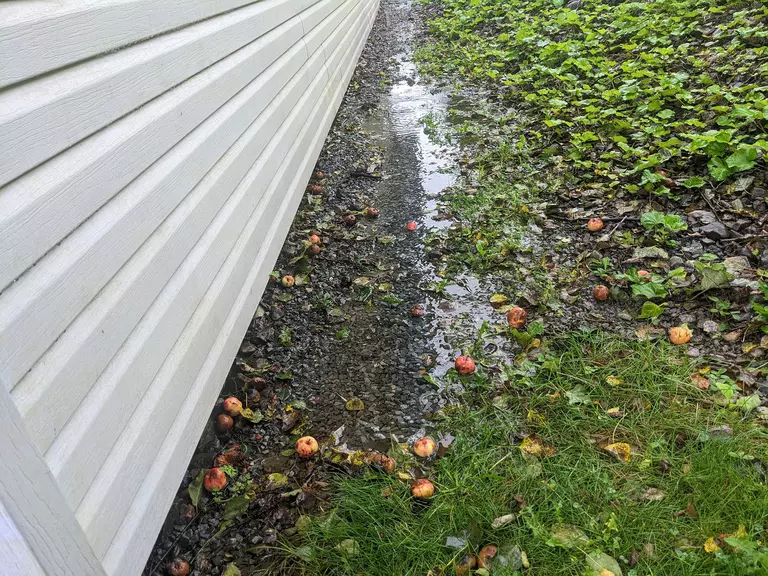
Since water can get behind your home’s siding, how can you tell when it’s a problem? There are several common signs of water behind siding; let’s break them down now.
Rotted siding panels
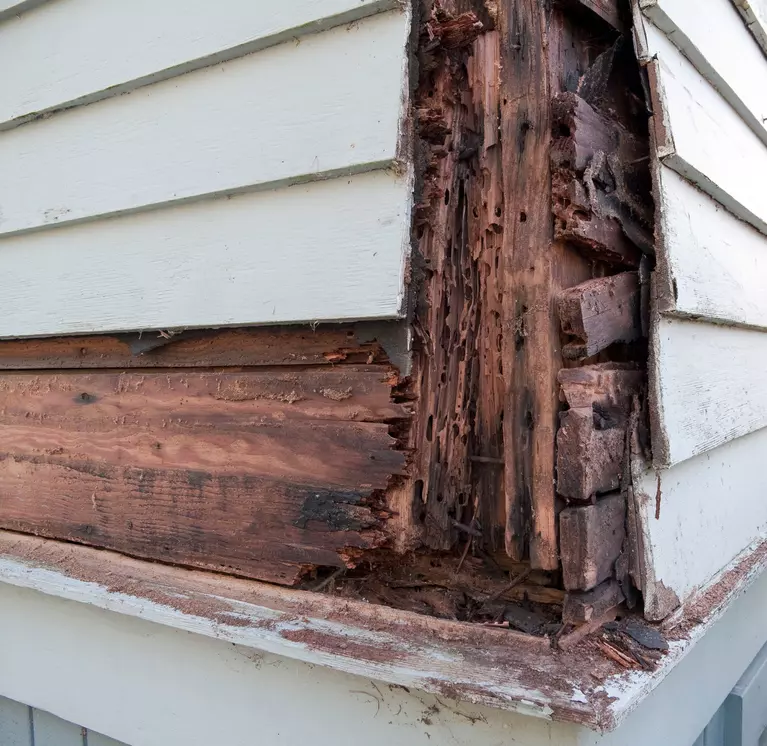
Prolonged exposure to moisture can cause rotting or deterioration in siding panels, though this might appear a little different depending on your siding material.
Vinyl siding itself won’t rot, but water trapped behind it can cause wood framing or sheathing underneath to degrade. Meanwhile, wooden siding panels can be affected by rot if they stay wet for too long.
In either case, look for areas where the siding feels soft, spongy, or crumbles when touched. That’s a surefire sign that your siding needs attention, whether that means repair or replacement.
Siding peeling, warping, or cracking
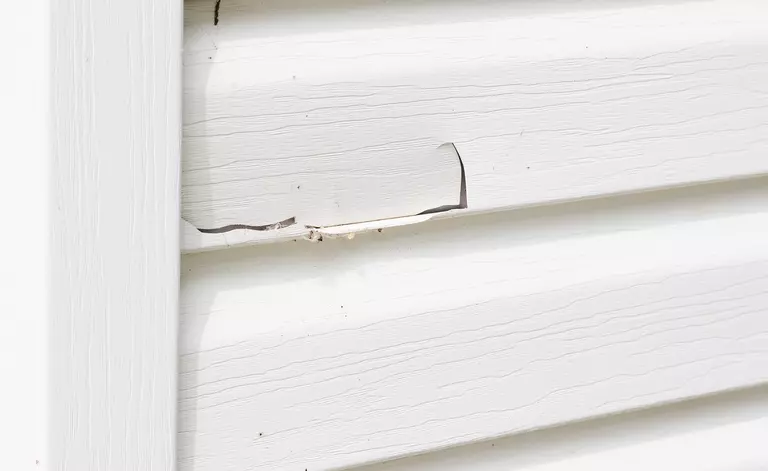
Another of the most visible signs of a siding leak is distortion in the panels. When water gets trapped behind the siding, it can cause:
- Peeling paint or bubbling finishes
- Warping or bowing of the siding panels
- Cracks or splits in the siding
These all tell you that moisture is penetrating the siding and potentially damaging the structure beneath it.
Softened or cracked windowsills
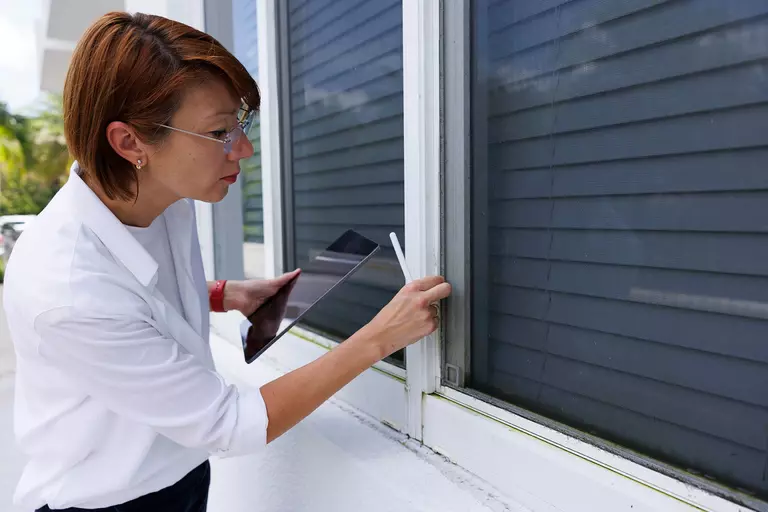
If your windowsills feel soft to the touch or have noticeable cracks, water could be leaking behind the siding and affecting the framing. Since windows are common entry points for moisture, compromised sills could indicate a deeper siding leak issue.
Check your windows from time to time. When you see a little warping or softening of the frames, take a closer look and feel them with your fingers. If the windowsills are breaking down, it’s time to get in touch with window replacement contractors ASAP.
Mold growth (inside or outside)
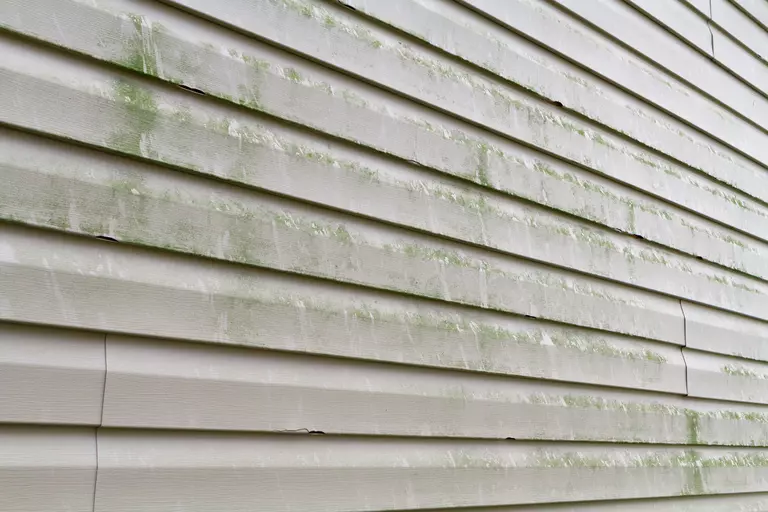
Mold thrives in damp environments, so if you notice dark stains, mildew, or a musty smell, water could be accumulating behind your siding. Mold can appear:
- On the exterior paint or siding surface
- Inside your home, near walls and baseboards
- In your attic or crawl space
Since mold can pose serious health risks, it’s important to address moisture issues as soon as possible. Be sure to wash away the mold you can see safely, but remember that it can persist within siding panels and come back again and again. The only real long-term fix for mold growth in your siding is to replace the affected panels completely.
Interior leaks
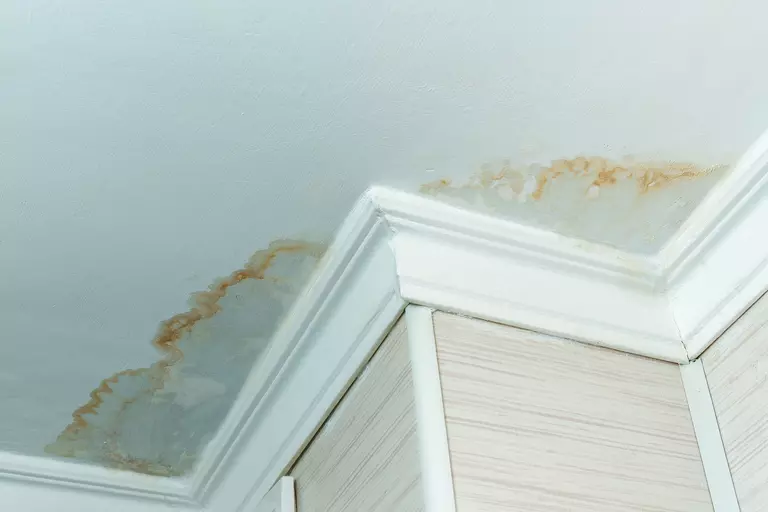
The telltale drip, drip, drip of a leak inside your home is yet another sign of siding damage. When you see water stains on your walls or ceilings, peeling wallpaper, or bubbling paint, it could mean that water is getting behind the siding and seeping into your home. These leaks may start small, but they can easily spread and lead to serious structural damage if they aren’t repaired.
How to fix siding water damage
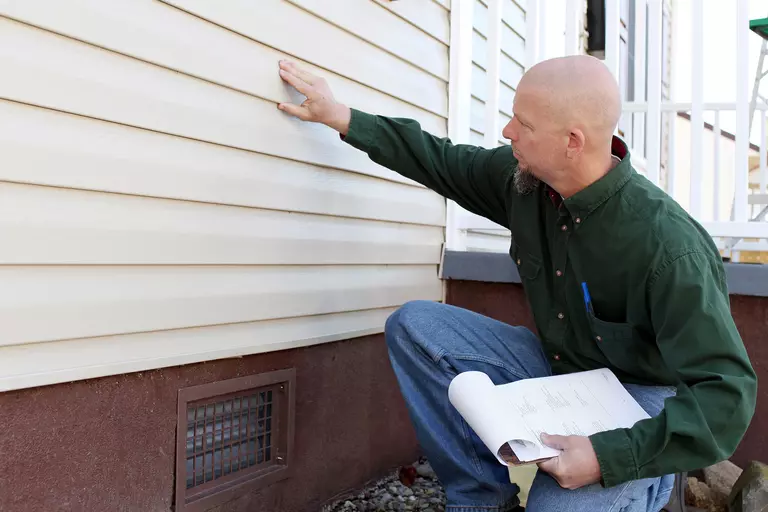
From warping siding panels to interior wall or ceiling leaks, noticing water getting behind your siding is just the start. You also need to fix that siding water damage to prevent it from getting worse (and leading to even more expensive repair bills). Here’s how.
Replace rotted panels
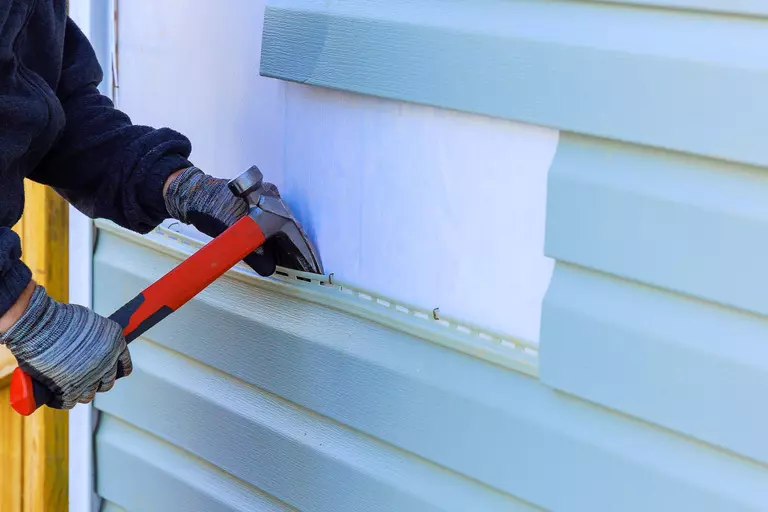
If water damage has caused your siding to rot or deteriorate, the affected panels should be removed and replaced. Depending on the extent of the damage, you may also need to inspect and repair the underlying structure before installing new siding.
Since this is a pretty intensive task, it's a good idea to call local window or siding specialists right away. These experts will be able to assess the extent of the water damage and provide smart recommendations for repairs.
Repair underlayers and insulation
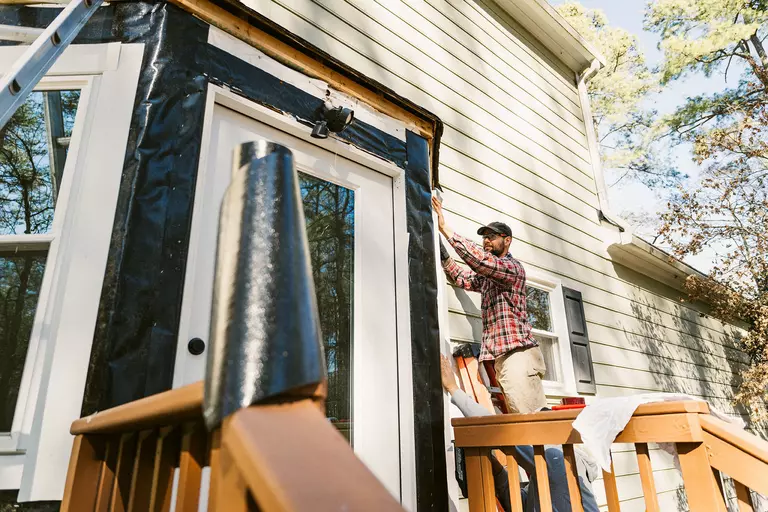
In cases where water has penetrated the sheathing or insulation, it’s crucial to repair these areas before installing new siding. Damaged house wrap, vapor barriers, or insulation should be replaced to prevent water damage in the future, plus keep your energy bills from rising over time!
A thorough repair job might involve:
- Removing the damaged panels
- Replacing insulation or framing beams and materials
- Installing new siding panels and ensuring they’re sealed
Again, this generally isn’t something you want to DIY. Instead, knowledgeable contractors can tackle this work for you and ensure that water can’t get behind your siding in the future.
Install new vinyl siding with professional help
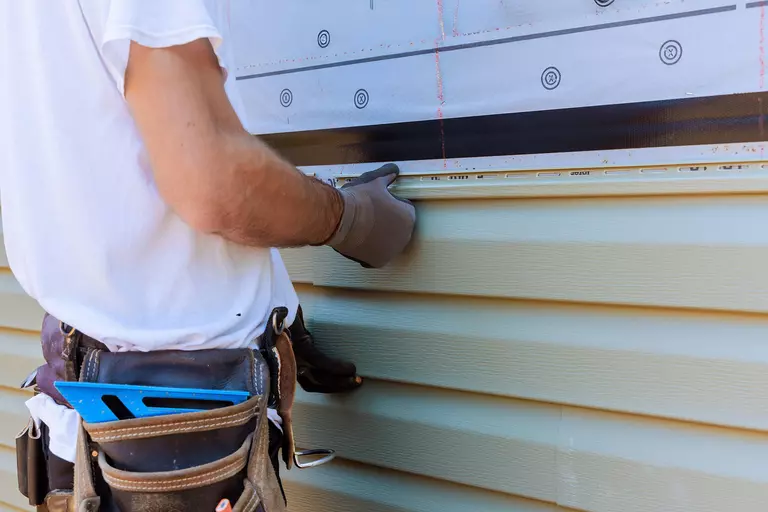
In fact, you should consider hiring professionals to install any new siding properly. Proper siding installation includes:
- Sealing around windows and doors to prevent leaks
- Ensuring correct overlap and fastening to allow for expansion and contraction
- Adding a moisture barrier for extra protection
Investing in quality siding materials and expert installation can help prevent future leaks and extend the lifespan of your home’s exterior. That’s great for your home, your peace of mind, and your budget – especially in the long run!
Request a quote on quality vinyl siding for your home
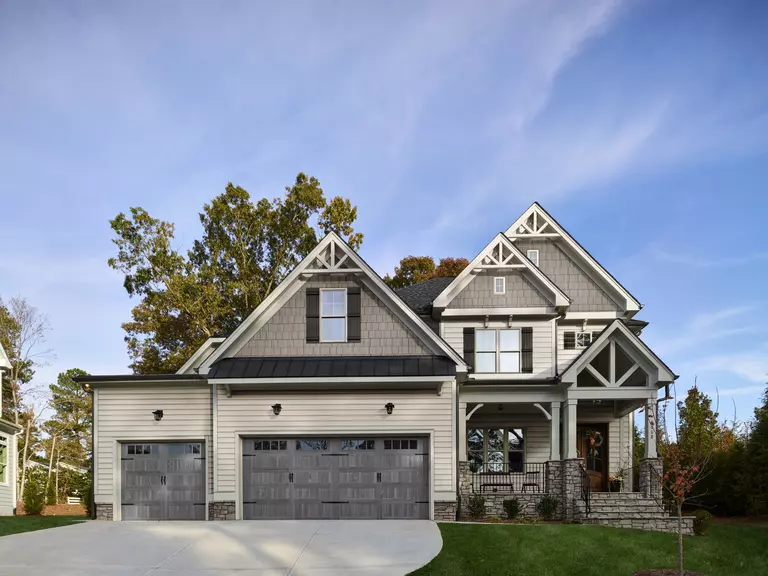
If you've noticed any of these signs of siding water damage, the best time to take action is right now. When installed correctly, high-quality vinyl siding can protect your home from moisture and enhance its curb appeal.
Whether you need a simple repair or a full home siding replacement, choosing durable materials and working with experienced professionals will ensure your home remains safe, dry, and beautiful for years to come.
That’s why you should contact Window World of Chippewa Valley right away. Whether you see a small leak or several siding panels cracking from water damage, we’re the perfect people to contact for an inspection and any necessary repairs. Request a free quote or contact us today to get started!